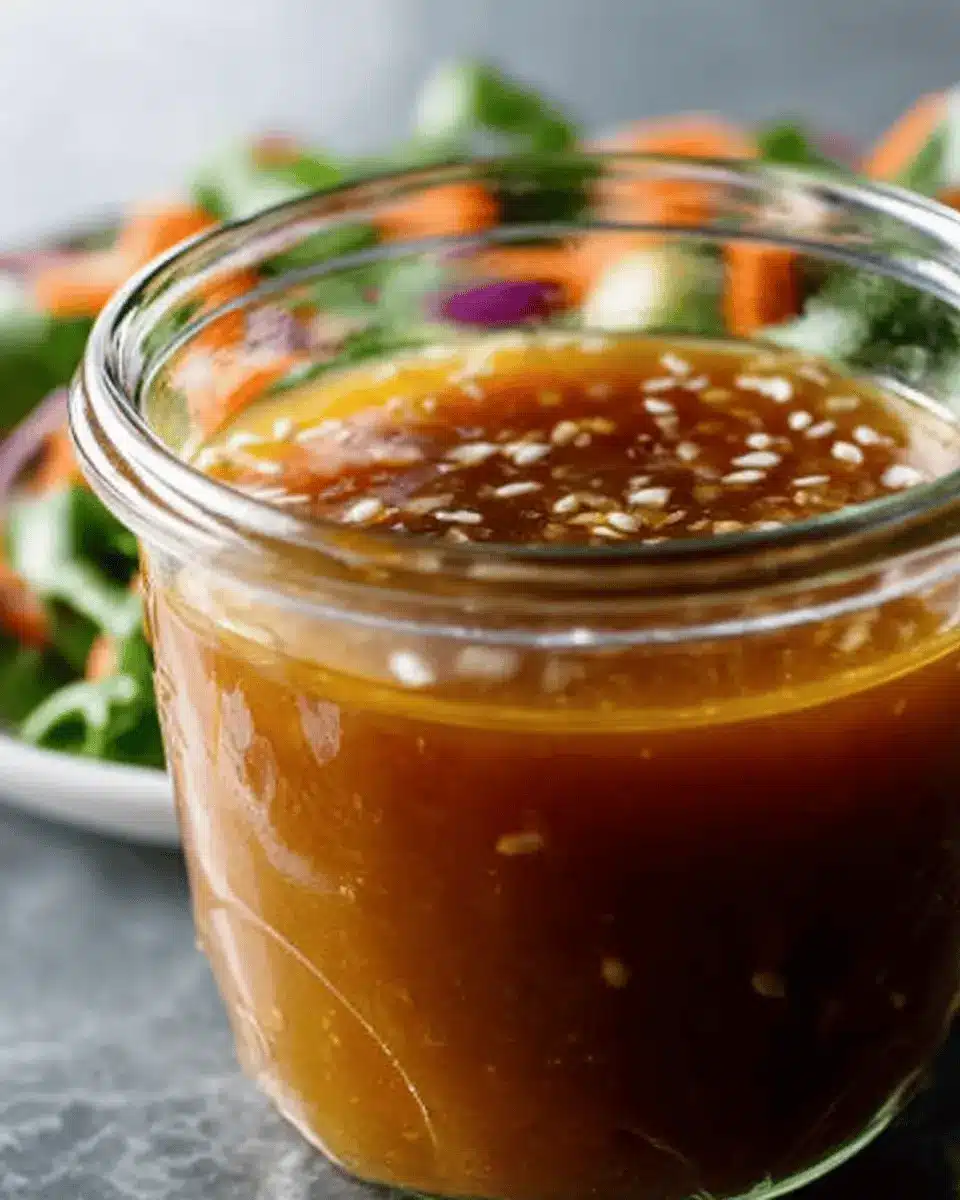
The Unbeatable Advantages of DIY Asian Dressing
Are you tired of the same old, uninspiring salads? Do you find yourself reaching for store-bought dressings that promise exotic flavors but often deliver blandness and a list of unpronounceable ingredients? It's time to unlock a world of vibrant taste with a homemade asian salad dressing recipe. Once you experience the unparalleled freshness, customizable flavor, and sheer versatility of a DIY Asian dressing, you'll wonder how you ever settled for anything less.
The truth is, many commercially produced dressings sacrifice authentic taste for shelf stability. They often contain excessive sugar, sodium, or artificial preservatives that mask the delicate balance of sweet, savory, tangy, and umami notes that define true Asian cuisine. Making your own at home not only elevates your meals but also puts you in complete control of what you consume.
Freshness & Flavor Superiority
Imagine the bright zing of fresh ginger, the pungent warmth of real garlic, and the nutty aroma of quality sesame oil. These are the building blocks of an exceptional Asian dressing, and they simply don't translate as effectively in a bottle that's been sitting on a grocery store shelf for months. Homemade versions burst with life because you're using fresh, vibrant ingredients at their peak. The subtle interplay of flavors—from the savory depth of soy sauce to the sharp tang of rice vinegar and the natural sweetness of honey—creates a complex and satisfying taste profile that store-bought alternatives struggle to replicate.
Control Over Ingredients for Health and Taste
One of the most compelling reasons to embrace a homemade asian salad dressing recipe is the ability to tailor it precisely to your dietary needs and personal preferences. Are you watching your salt intake? Opt for reduced-sodium soy sauce. Need a gluten-free option? Tamari or coconut aminos are fantastic alternatives that don't compromise on flavor. Looking to reduce sugar? Adjust the amount of honey or maple syrup, or try a sugar-free sweetener. This level of customization is impossible with pre-made dressings, which are often loaded with hidden sugars, unhealthy oils, and additives.
Beyond health considerations, you can fine-tune the flavor balance. Prefer a bit more tang? Add extra rice vinegar or a squeeze of fresh lime juice. Craving more heat? A pinch of red pepper flakes or a dash of sriracha can transform the dressing to your liking. This hands-on approach truly makes the dressing *yours*.
Cost-Effectiveness and Convenience
While the initial purchase of a few staple ingredients like sesame oil and rice vinegar might seem like an investment, these items last a long time and form the basis for countless delicious meals. In the long run, making your own dressing is often more economical than repeatedly buying bottled versions. Plus, with a few common pantry staples, you can whip up a fresh batch in mere minutes, making it incredibly convenient for busy weeknights.
Crafting Your Perfect 5-Minute Homemade Asian Salad Dressing: Essential Ingredients
The beauty of a classic asian salad dressing recipe lies in its simplicity and reliance on a handful of powerful ingredients. You likely already have most of these in your kitchen. Here's a breakdown of the core components that create that signature tangy, sweet, savory, and nutty flavor:
- Soy Sauce: The cornerstone of savory umami. Opt for reduced-sodium if you're mindful of salt.
- Rice Vinegar: Provides the essential tang and bright acidity that cuts through richness.
- Sesame Oil: Delivers a rich, toasted, nutty aroma and flavor. A little goes a long way!
- Honey or Maple Syrup: Natural sweeteners that balance the savory and tangy notes. Honey offers a distinct floral sweetness, while maple syrup lends a deeper, more robust flavor.
- Fresh Ginger or Ground Ginger: Adds a zesty, pungent kick and warmth. Freshly grated ginger offers a more vibrant zing.
- Garlic: Because almost everything is better with garlic! It contributes a foundational savory depth.
These core ingredients, when combined in the right proportions, create a harmonious symphony of flavors that will awaken your taste buds. The magic happens when these individual elements meld into a cohesive, delicious liquid gold.
Elevate Your Experience: Creative Customizations & Variations
The journey with your homemade Asian dressing doesn't stop at the basic recipe; it's just the beginning of a culinary adventure. The beauty of a homemade dressing is its adaptability. Feel free to experiment and elevate meals: versatile homemade asian dressing & customizations to suit your mood or the dish you're preparing. Here are some fantastic optional ingredients to explore:
- For Creaminess:
- Kewpie Mayo: A secret weapon for adding unparalleled richness and a silky smooth texture.
- Peanut Butter or Tahini: Introduces a delightful nutty creaminess, perfect for a heartier dressing that clings beautifully to noodles or crunchy vegetables.
- For a Citrus Twist:
- Lime Juice: A squeeze of fresh lime juice can brighten the dressing with a zesty, refreshing note.
- For a Kick of Heat:
- Red Pepper Flakes: A simple sprinkle adds a gentle warmth.
- Sriracha or Chili Garlic Sauce: For those who love a more pronounced spicy punch.
- For Alternative Sweetness:
- Brown Sugar or Granulated Sugar: If you prefer a more traditional or caramel-like sweetness.
- For Dietary Needs & Flavor Nuances:
- Tamari: An excellent gluten-free alternative to soy sauce, often with a slightly richer flavor.
- Coconut Aminos: Another great soy-free and gluten-free option, milder and slightly sweeter than soy sauce.
- For Texture:
- Toasted Sesame Seeds: Not only add a beautiful visual appeal but also a satisfying crunch and intensified sesame flavor.
- For a Lighter Base:
- Canola or Grapeseed Oil: If you prefer a milder oil flavor compared to olive oil, or want to reduce the richness.
Don't be afraid to play around with these additions. Each tweak can transform your basic asian salad dressing recipe into something entirely new and exciting, making every meal a fresh experience.
Simple Steps to Homemade Bliss
Making your own Asian dressing is not a complicated culinary feat; it's a simple, enjoyable process that takes mere minutes. There's no fancy equipment required, just a few basic kitchen tools.
- Gather Your Ingredients: Lay out all your chosen components. Freshness truly makes a difference, so opt for freshly grated ginger and minced garlic whenever possible.
- Combine: Whether you prefer a mixing bowl and a whisk or a mason jar with a tight-fitting lid, simply add all your ingredients together.
- Whisk or Shake: This is where the magic happens! Whisk vigorously until all ingredients are thoroughly combined and emulsified into a smooth, cohesive liquid. If using a jar, shake it like a maraca until everything is perfectly blended. You'll see the individual components transform into a beautiful, glossy dressing.
- Taste and Adjust: This is the most important step! Dip a spoon, taste, and adjust any flavors as needed. Does it need more tang? A bit more sweetness? A pinch more salt? Your palate is the ultimate guide.
That's it! In less than 5 minutes, you'll have a superior dressing ready to transform any meal. Store it in an airtight container in the refrigerator, and it will keep beautifully for up to a week.
Beyond the Salad Bowl: Unleashing Versatility
While "salad dressing" is in its name, this versatile concoction is capable of so much more. Your homemade asian salad dressing recipe is truly a culinary multi-tool:
- Asian Slaws & Cold Noodles: Its classic application! Drizzle generously over crunchy cabbage slaws or toss with soba noodles, ramen noodles, or even pasta for a refreshing cold salad.
- Marinade Marvel: It makes an incredible marinade for grilled chicken, fish, tofu, or pork. The acidity helps tenderize, and the flavors infuse beautifully.
- Stir-Fry Sauce Base: Use it as a quick and flavorful base for stir-fries. Just add a splash to your wok for an instant flavor boost.
- Dip for Fresh Veggies or Spring Rolls: Offer it alongside fresh crudités or homemade spring rolls for a lighter, more flavorful dipping experience.
- Flavor for Roasted Vegetables: Toss roasted broccoli, asparagus, or Brussels sprouts in this dressing immediately after they come out of the oven for a quick flavor upgrade.
- Grain Bowls & Buddha Bowls: Elevate any grain bowl with a generous drizzle, tying all the components together with a burst of Asian-inspired flavor.
Conclusion
The journey from a plain salad to a vibrant, flavor-packed culinary experience begins with a simple decision: to make your own asian salad dressing recipe. By taking just a few minutes to combine fresh, wholesome ingredients, you gain superior flavor, complete control over what you eat, and an incredibly versatile condiment that can elevate countless dishes. Say goodbye to mediocre store-bought options and embrace the joy and satisfaction of homemade. Your taste buds, and your health, will thank you.
