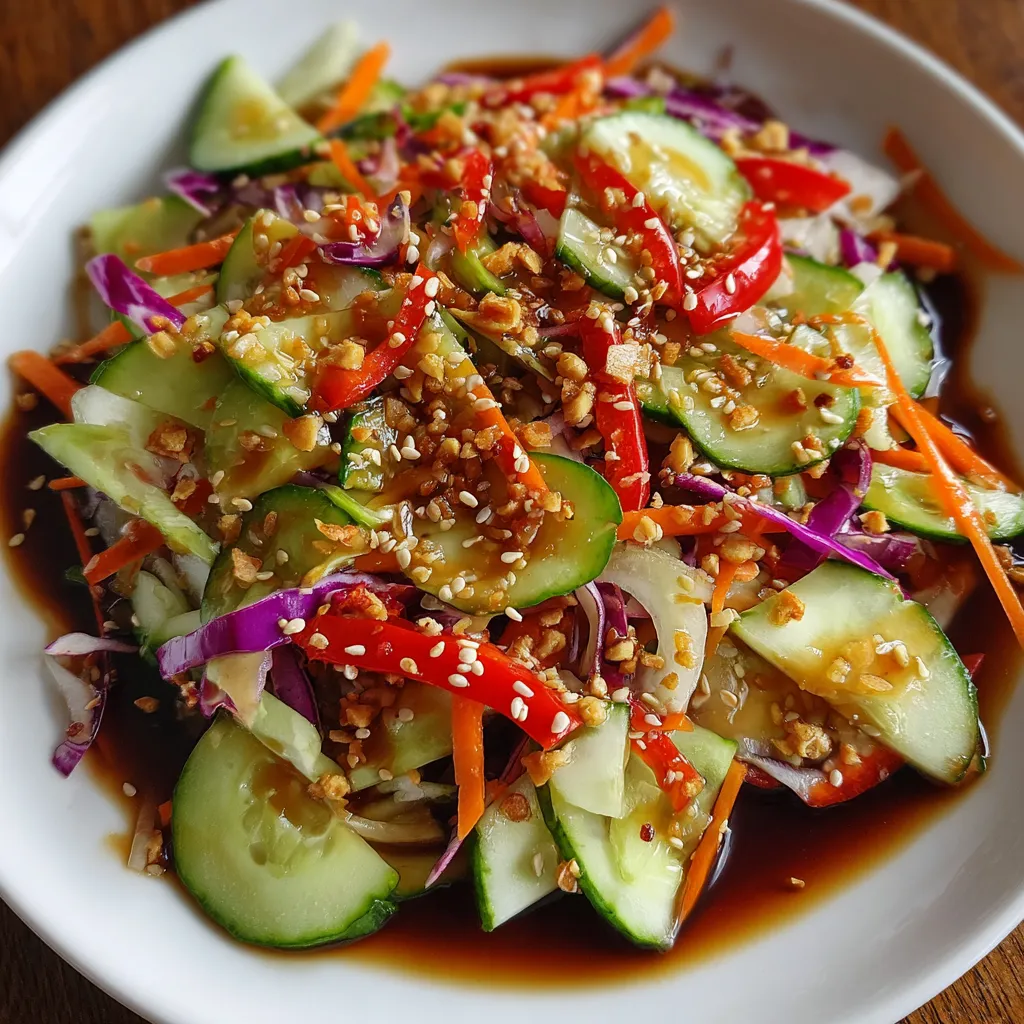
Unlock a World of Flavor: Your Ultimate Homemade Asian Salad Dressing Guide
Are your meals feeling a little lackluster? Do you find yourself reaching for the same old condiments, longing for a burst of fresh, vibrant flavor? Look no further than a homemade asian salad dressing recipe. It’s a culinary secret weapon, effortlessly transforming everyday dishes into extraordinary culinary experiences. Forget bland, store-bought bottles; crafting your own dressing at home is surprisingly simple, incredibly rewarding, and opens up a universe of taste possibilities.
Imagine a dressing that’s perfectly balanced – a symphony of savory, sweet, tangy, and a touch of umami. This isn't just for salads; it's a versatile condiment that will become your new go-to for everything from marinades to dipping sauces. The best part? You likely already have most of the core ingredients in your pantry. Let’s dive into how you can elevate your meals with this remarkable concoction and discover Unlock Flavor: Why Homemade Asian Dressing Tops Store-Bought any day of the week.
The Essential Building Blocks of a Brilliant Asian Dressing
The magic of a great asian salad dressing recipe lies in the careful balance of a few key ingredients. Each component plays a vital role, contributing to the dressing's distinctively vibrant and complex profile. Understanding these building blocks is the first step to becoming a dressing master.
- Soy Sauce (or Tamari/Coconut Aminos): This is the backbone, providing that essential savory, umami depth. For those monitoring sodium intake, reduced-sodium varieties are excellent. If you're gluten-free, Tamari is a fantastic, readily available alternative that offers a similar richness. For a milder, soy-free option, coconut aminos work wonders, imparting a subtle sweetness.
- Rice Vinegar: Offering a delicate, bright tang, rice vinegar is less assertive than apple cider or white vinegar, making it perfect for Asian-inspired flavors. It cuts through richness and adds a refreshing zest that awakens the palate.
- Sesame Oil: Ah, the unmistakable nutty aroma of toasted sesame oil! A little goes a long way, infusing the dressing with a deeply savory, earthy fragrance that is quintessential to many Asian dishes. Use good quality toasted sesame oil for the best results.
- Sweetener (Honey or Maple Syrup): A touch of sweetness rounds out the flavors, balancing the tang of the vinegar and the saltiness of the soy sauce. Honey offers a floral note, while maple syrup provides a richer, slightly more caramel-like sweetness, making it an excellent vegan choice. Brown sugar or granulated sugar can also be used if preferred.
- Fresh Ginger: For a zingy, pungent kick that adds incredible freshness, fresh grated ginger is unparalleled. If you don't have fresh on hand, ground ginger can be used in a pinch, though the flavor will be less vibrant.
- Garlic: Because everything is better with garlic! Freshly minced garlic adds an aromatic warmth and depth that is simply irresistible. It’s a non-negotiable for many, myself included.
Customizing Your Asian Salad Dressing Recipe: A Flavor Adventure
Once you have the basic asian salad dressing recipe down, the real fun begins: customization! This is where you can truly make it your own, adapting it to your taste preferences, dietary needs, or the specific dish you're preparing. Think of the base recipe as your canvas, and these additions as your palette of vibrant colors.
For Creaminess and Richness:
- Kewpie Mayo (or regular mayonnaise): A spoonful or two can transform your dressing into a luxuriously creamy emulsion. Kewpie mayo, a Japanese mayonnaise, is famous for its extra richness and tang, making it an exceptional addition.
- Nut Butter (Peanut Butter or Tahini): For a thicker, more substantial dressing with nutty undertones, peanut butter or tahini (sesame paste) are fantastic. They add body and a different dimension of flavor, perfect for noodle salads or heartier grain bowls.
- Avocado: For a healthy, creamy twist, blend in a quarter of a ripe avocado. It adds a lovely texture and healthy fats.
For an Extra Kick and Brightness:
- Lime Juice: A squeeze of fresh lime juice can introduce a bright, zesty citrus note that complements the existing flavors beautifully, adding another layer of tang.
- Mirin: This sweet Japanese rice wine adds a delicate sweetness and a subtle umami depth, elevating the overall complexity.
- Red Pepper Flakes or Sriracha: If you crave heat, a pinch of red pepper flakes or a dash of sriracha will give your dressing that fiery kick you desire.
For Texture and Additional Flavor:
- Toasted Sesame Seeds: Not just for garnish, toasted sesame seeds add a delightful crunch and intensify the nutty sesame flavor within the dressing itself.
- Chopped Scallions/Green Onions: Finely chopped scallions offer a mild oniony bite and visual appeal.
Health-Conscious and Dietary Swaps:
- Gluten-Free Options: As mentioned, Tamari is your best friend for a gluten-free soy sauce alternative. Coconut aminos are another excellent choice for those avoiding soy.
- Vegan Sweeteners: Maple syrup is a perfect plant-based substitute for honey.
- Lighter Oil Base: While sesame oil is crucial for flavor, you can use a neutral oil like canola, grapeseed oil, or a light olive oil (not extra virgin, which can be too strong) as a base for volume and emulsification, especially if you're sensitive to strong flavors or want to reduce the richness of sesame oil.
The key here is to taste as you go. Add small amounts, mix, taste, and adjust until you hit your personal flavor sweet spot. This iterative process is what separates a good dressing from a truly great one.
Beyond the Salad Bowl: The Versatility of Your Homemade Asian Dressing
While "salad dressing" is in the name, this delightful concoction is far too versatile to be confined to leafy greens alone. Once you master your ideal asian salad dressing recipe, you'll find countless ways to incorporate it into your culinary repertoire. This dressing isn't just a condiment; it's a flavor enhancer for nearly any meal.
- Noodle Salads: Drizzle generously over cold soba noodles, rice noodles, or even spaghetti tossed with crisp vegetables and your protein of choice for a refreshing and satisfying lunch or light dinner.
- Marinade Marvel: Its balanced profile makes it an exceptional marinade for grilled chicken, fish, shrimp, tofu, or even hearty vegetables like portobello mushrooms. Let your ingredients soak for at least 30 minutes (or longer for tougher proteins) to infuse them with incredible flavor.
- Dip It Good: Serve it as a dipping sauce for spring rolls, potstickers, fresh vegetable sticks, or even as a unique accompaniment to grilled meats.
- Roast Vegetable Radiance: Toss roasted broccoli, asparagus, Brussels sprouts, or bell peppers with a generous coating of this dressing for an instant flavor upgrade. The caramelization of the vegetables combined with the dressing’s tang is simply divine.
- Grain Bowl Game Changer: Elevate your quinoa, farro, or rice bowls with a generous glug of this dressing. It brings all the elements together, from roasted veggies and proteins to fresh herbs.
- Asian Slaws & Pasta Salads: As the reference notes, it’s perfect for crunchy Asian slaws. It also brings a unique twist to traditional pasta salads, offering a refreshing alternative to creamy or Italian vinaigrettes.
The possibilities are genuinely endless. Don't be afraid to experiment and discover new favorite applications!
Whip Up Your Masterpiece: A Simple 5-Minute Process
Creating your homemade asian salad dressing recipe is not just easy; it's often faster than hunting for a suitable store-bought option in your fridge. It truly takes just Whip Up The Best 5-Minute Homemade Asian Salad Dressing, making it a perfect solution for busy weeknights or impromptu gatherings.
Here’s a practical starting point for your base recipe:
This is a foundational recipe, feel free to adjust to your palate!
- 4 tbsp neutral oil (like grapeseed, canola, or a light olive oil)
- 3 tbsp soy sauce (or Tamari/Coconut Aminos)
- 2 tbsp toasted sesame oil
- 1½ tbsp honey (or maple syrup)
- 4 tbsp rice vinegar
- 1-2 cloves garlic, minced (to taste)
- ½ - 1 inch fresh ginger, grated (to taste)
The Method:
- Gather Your Ingredients: Lay out all your chosen ingredients. Pre-mincing garlic and grating ginger will make the process even smoother.
- Choose Your Vessel: You have a couple of excellent options. A small mixing bowl with a whisk offers precise control, allowing you to gradually emulsify the ingredients. Alternatively, a mason jar with a tight-fitting lid is incredibly convenient – simply combine everything, seal, and shake vigorously.
- Combine: Pour all the liquid ingredients (oils, soy sauce, vinegar, sweetener) into your chosen vessel. Add the minced garlic and grated ginger.
- Mix Until Emulsified:
- If using a bowl: Whisk everything together enthusiastically until the dressing is well-combined and appears uniform and slightly thickened. You’ll notice the oils and liquids have merged into a cohesive, shiny mixture.
- If using a jar: Secure the lid tightly and shake it like a maraca for about 30-60 seconds. This action thoroughly combines the ingredients, creating a beautifully blended dressing.
- Taste and Adjust: This is the most crucial step! Dip a spoon into your freshly made dressing and taste. Is it tangy enough? Sweet enough? Does it need more umami? Adjust any ingredient to your preference. A common tip is to dip a piece of lettuce into the dressing to get a true sense of its flavor profile as it would be consumed.
- Serve or Store: Your dressing is now ready to breathe new life into your meals! Store any unused portion in an airtight container (like your mason jar) in the refrigerator for up to 1-2 weeks. A quick shake or whisk might be needed before each use as some separation can occur naturally.
The satisfaction of whisking a few simple ingredients into a glorious, golden liquid is surprisingly therapeutic. You'll be amazed at the depth of flavor you can achieve with so little effort.
Conclusion: Your Kitchen, Your Culinary Canvas
Embarking on the journey of making your own asian salad dressing recipe is more than just learning a new dish; it's about reclaiming control over your food, discovering the joy of fresh flavors, and unlocking endless culinary creativity. From its foundational ingredients to the countless customization possibilities, this dressing is a testament to how simple, wholesome components can create something truly extraordinary.
No longer will you be stuck in a salad rut or limited by store-bought options. This homemade Asian dressing will become your secret weapon, bringing life, vibrancy, and unparalleled taste to a wide array of meals. So, gather your ingredients, get whisking, and prepare to elevate your culinary adventures. Your taste buds (and your guests) will thank you!
